
TL;DR: Every sensory decision in a restaurant tells your guest whether the space was made for them. The music tempo, the lighting warmth, the plating style, and the photography on your website all send signals. When those signals align with a clearly defined audience, guests feel it before they can name it. When they do not align, the space feels generic, and generic does not build loyalty.
Most restaurants get the food right. The disconnect happens everywhere else. The playlist that clashes with the dining room's mood. The website photography that promises a moody cocktail bar when the actual space is bright and casual. The menu design that targets one demographic while the pricing targets another. These misalignments are small on their own. Together, they create a guest experience that feels slightly off without anyone being able to explain why.
This guide breaks down the sensory levers that shape how guests experience your space, how those levers connect to the visual content that represents your brand online, and how to align both around a specific audience. At the end, you can take a free companion scorecard to put the framework into practice.
Put This Framework Into Practice
Score your space across 5 sensory categories. Takes about 10 minutes.
Take the Guest Alignment AuditYour Space Is Already Talking. The Question Is What It Is Saying.
A restaurant is a sensory system. Before a guest reads your menu or tastes the food, they have already processed dozens of signals: the volume and genre of the music, the color temperature of the lighting, the texture of the table surface, the weight of the silverware. Every one of those signals either confirms or contradicts the story you are trying to tell.
The most common mistake is designing for “everyone.” A space that tries to appeal to casual lunch crowds, fine dining guests, and late-night cocktail seekers simultaneously ends up resonating with none of them. This is not about exclusion. It is about specificity. A guest who walks into a space and immediately feels “this was made for me” is a guest who comes back. SevenRooms found that more than a third of consumers say design and ambiance directly impact their emotional connection to a restaurant. That connection is what drives return visits, not just the quality of the dish.
Think of it as signal clarity. A dim, candlelit room with a jazz playlist and handwritten cocktail menus sends a clear signal. That same room with fluorescent lighting in the bathroom, a pop playlist leaking from the kitchen, and stock photography on the website sends a confused one. The food might be identical. The experience is not.
Stop thinking about “ambiance” as decoration and start thinking about it as communication. Every element in your space is a sentence. The question is whether all of those sentences are telling the same story to the same person.
Define the Guest Before You Design the Room
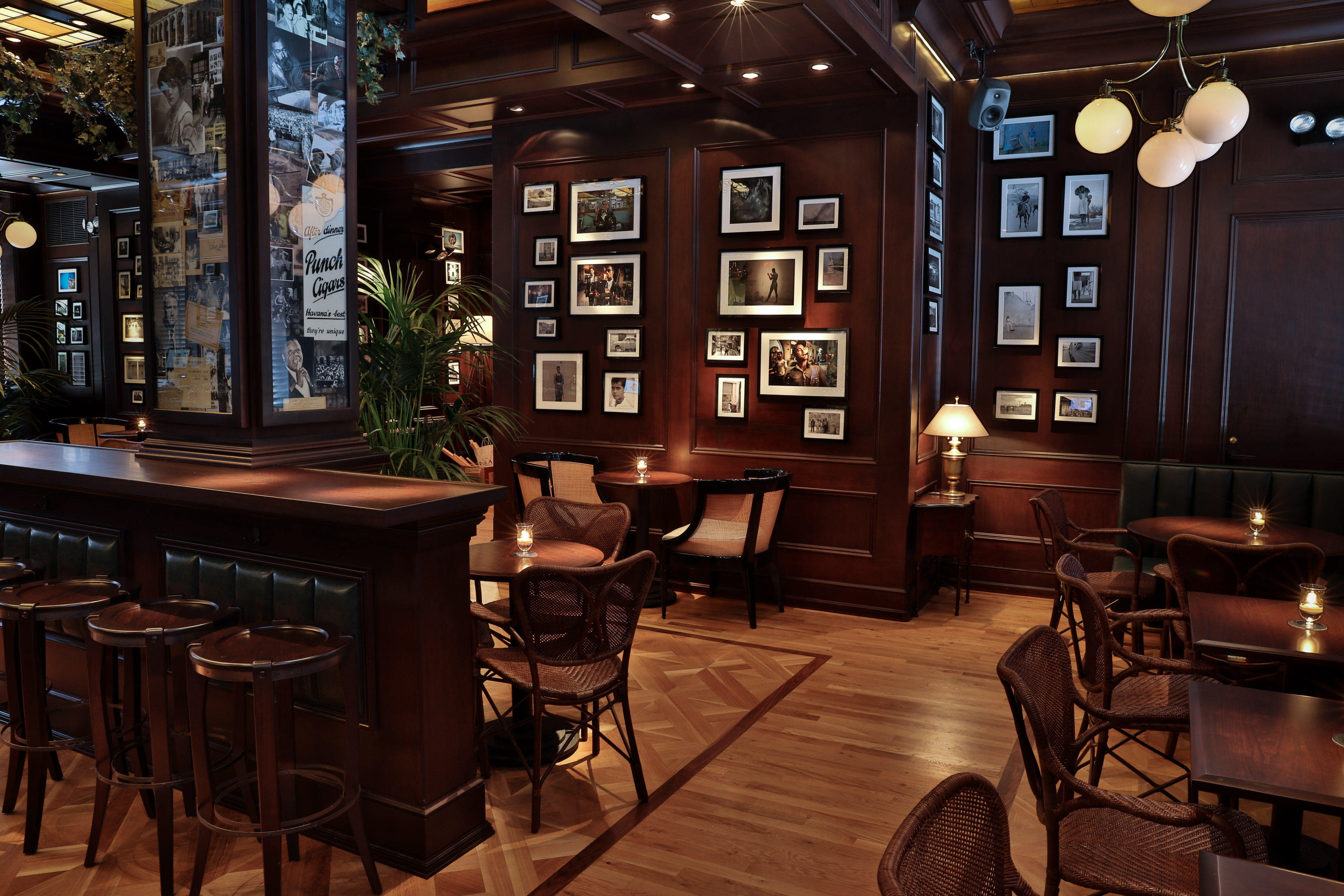
Demographics are a starting point, not a destination. Knowing your guest is 28 to 40 years old and lives in a metro area tells you almost nothing useful about how to design their experience. What matters more is behavior. How does this guest discover restaurants? What are they optimizing for when they choose where to spend an evening?
The generational gap here is real. Cropink research shows that 41% of Gen Z uses TikTok specifically to discover restaurants. That discovery behavior should directly influence how you think about visual content and environment design, because it tells you something about how expectations form before a guest ever walks in. A concept targeting this audience needs a visual identity built for short-form video, not just a polished website.
The more useful questions are behavioral. What does this guest value? Is it speed, craft, novelty, comfort, or status? What is the occasion? A Tuesday lunch meeting and a Saturday anniversary dinner require fundamentally different environments, even at the same price point. What does the guest want to feel when they walk through the door?
OpenTable reports that experiential dining is one of the fastest-growing guest priorities heading into 2025. That signals a shift in what people are optimizing for. They are not just choosing where to eat. They are choosing where to spend time. The environment is part of the product.
In our production work, we have found that the most effective client briefs start with a single sentence describing one guest and one occasion. Not a demographic range. Not a persona deck with six archetypes. One person, one reason for being there. Everything else, from the lighting warmth to the photography style on the website, flows from that sentence. If you cannot write that sentence, the visual refresh will not solve the underlying problem.
The Sensory Levers That Shape Guest Experience
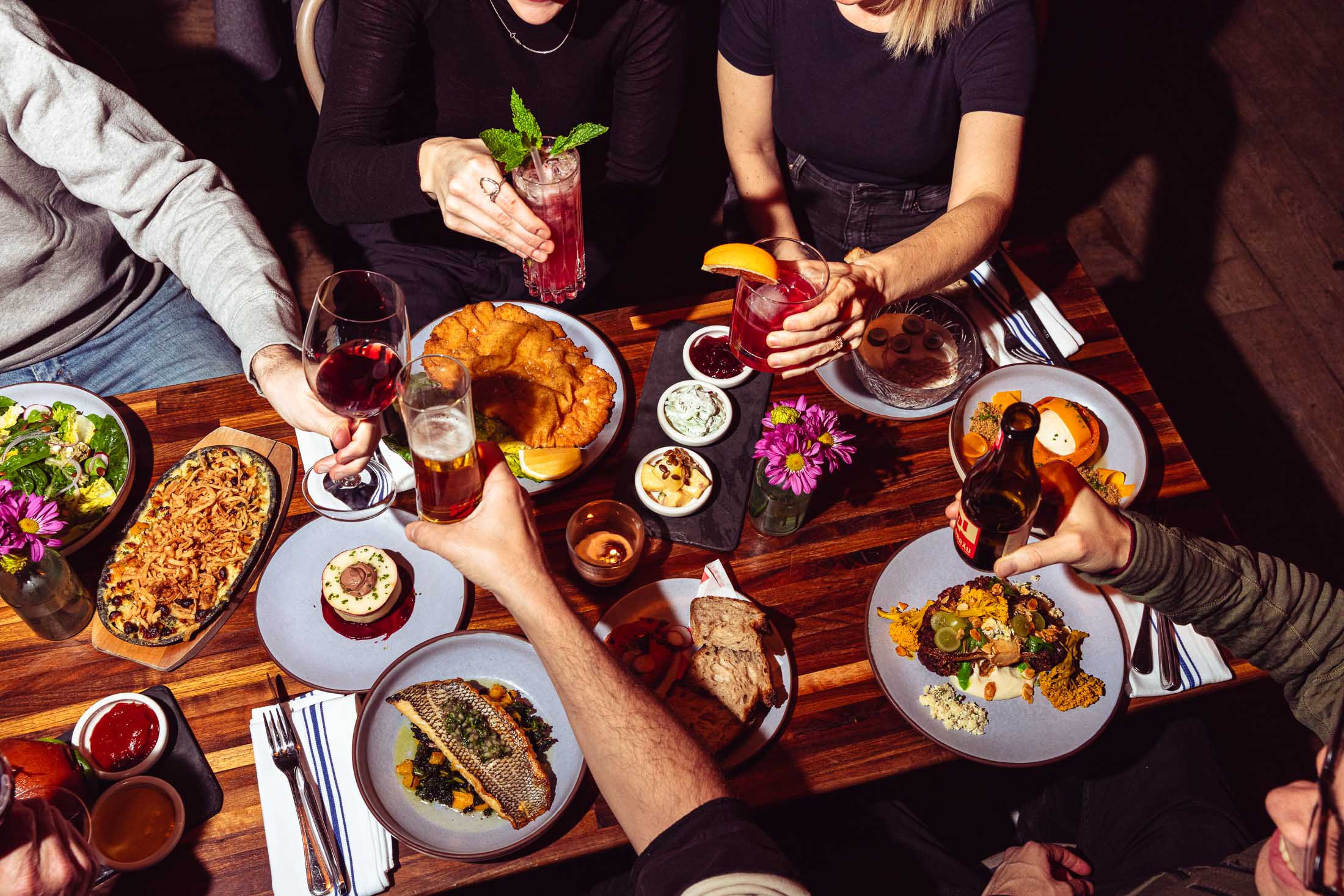
The environment is not one thing. It is a collection of levers, each of which can be tuned independently but must work together. Research on multisensory design shows that coordinated sensory experiences create stronger differentiation and guest loyalty than any single element alone (Emerald Insight, 2024). Here is what each lever controls and how it connects to audience alignment.
Music and Sound
Sound is the most underestimated lever in hospitality design. A study published in PMC (December 2024) found that slow-tempo background music increased average dwell time to over 80 minutes, compared to just under 58 minutes for fast-tempo tracks. That is not a subtle effect. It is the difference between a one-cocktail visit and a three-course dinner.
The same research found that fast-tempo music increased tips and variety-seeking behavior. This is not a case where slow is always better. It is a case where the right tempo depends on your model. A fine dining concept benefits from slower tempos that encourage longer stays and higher per-cover spend. A fast-casual lunch spot benefits from tempos that keep tables turning. The music should match the business model, not the chef's personal playlist.
Volume matters too. Can guests have a conversation without raising their voices? If your target guest is a couple on a date, they need to talk. If your target is a group celebrating a birthday, energy matters more than intimacy.
Music Tempo vs. Average Dwell Time
Source: PMC, Dec 2024
Lighting
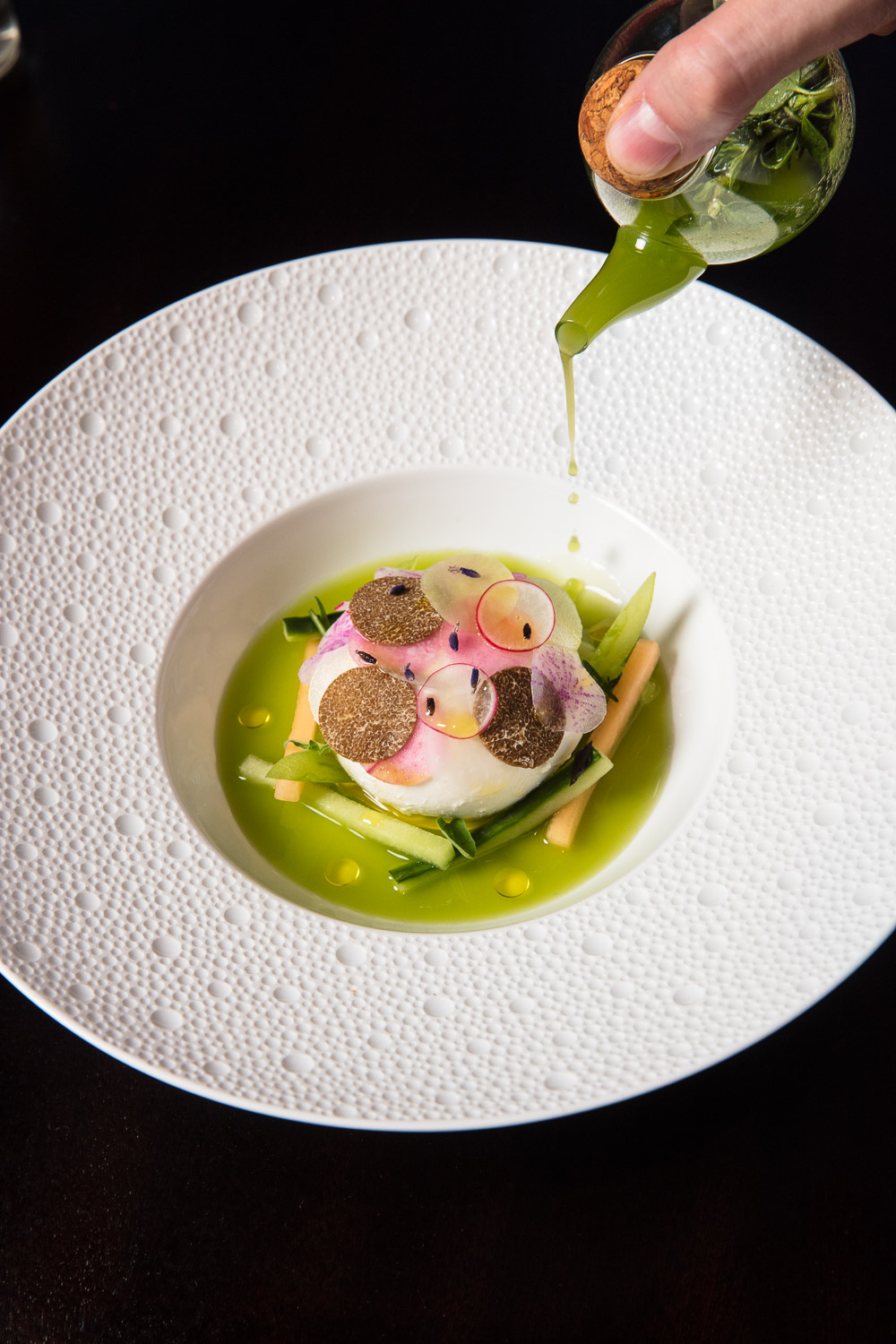
Lighting shapes behavior in ways most operators underestimate. Cornell's Food and Brand Lab found that brighter dining environments led guests to order differently, shifting toward lighter, healthier options. Dim lighting, on the other hand, conveys luxury and intimacy. Neither is inherently better. Both produce different guest behaviors.
Bright, even lighting signals transparency and energy. It works for cafes, brunch spots, and family restaurants where guests want to see clearly and move efficiently. Warm, low lighting signals occasion and exclusivity. It works for cocktail bars, tasting menus, and any concept where lingering is the point.
The mistake operators make is inconsistency. A dining room with warm, intimate lighting and a restroom with harsh fluorescent tubes breaks the spell. Every transition in the space should maintain the signal.
Decor and Environment
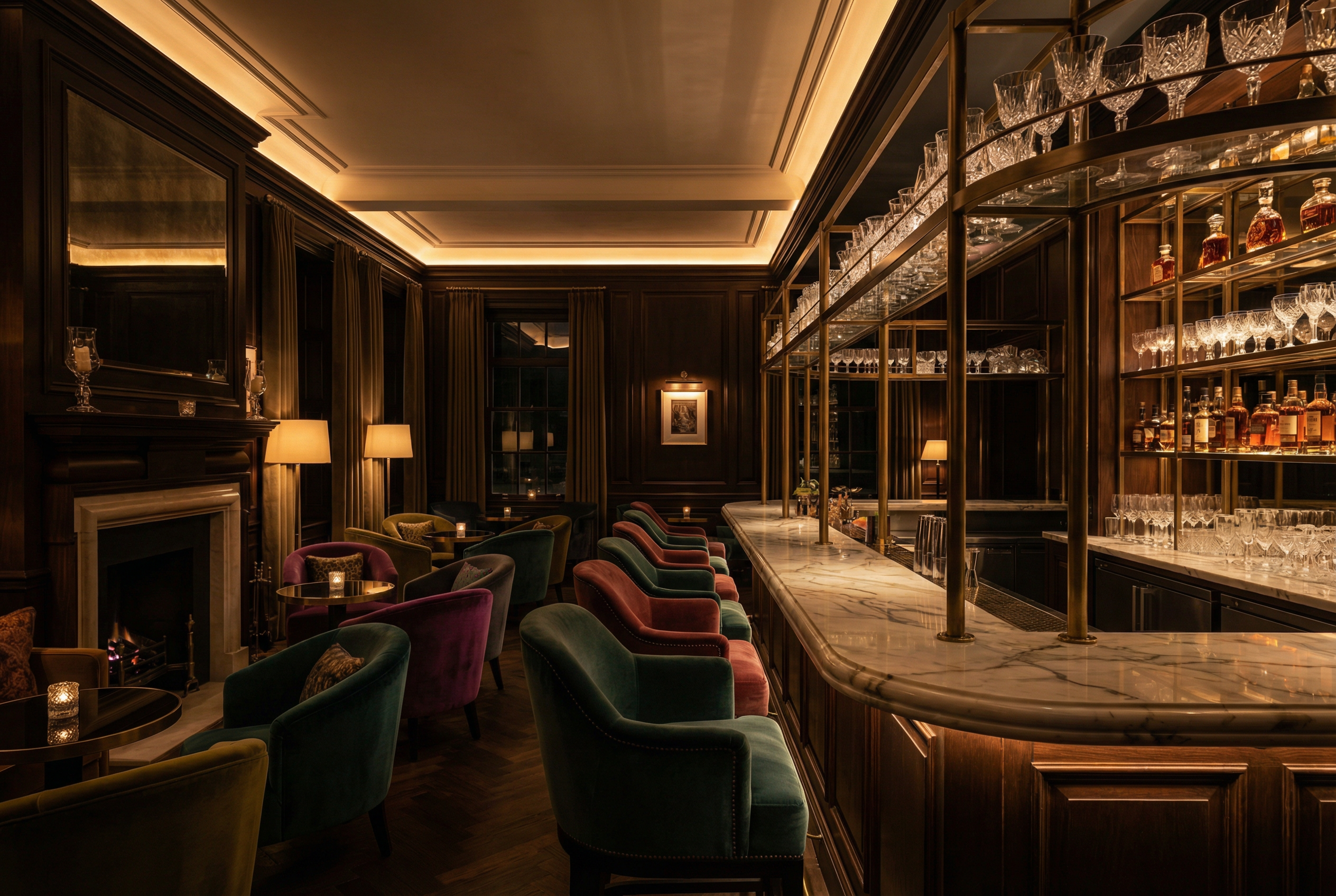
Research published in Nutrients found that restaurant ambiance has a measurable positive effect on brand trust and customer loyalty (PMC/Nutrients, Dec 2023). This goes beyond looking nice. It means the physical environment directly influences whether a guest trusts your brand enough to return.
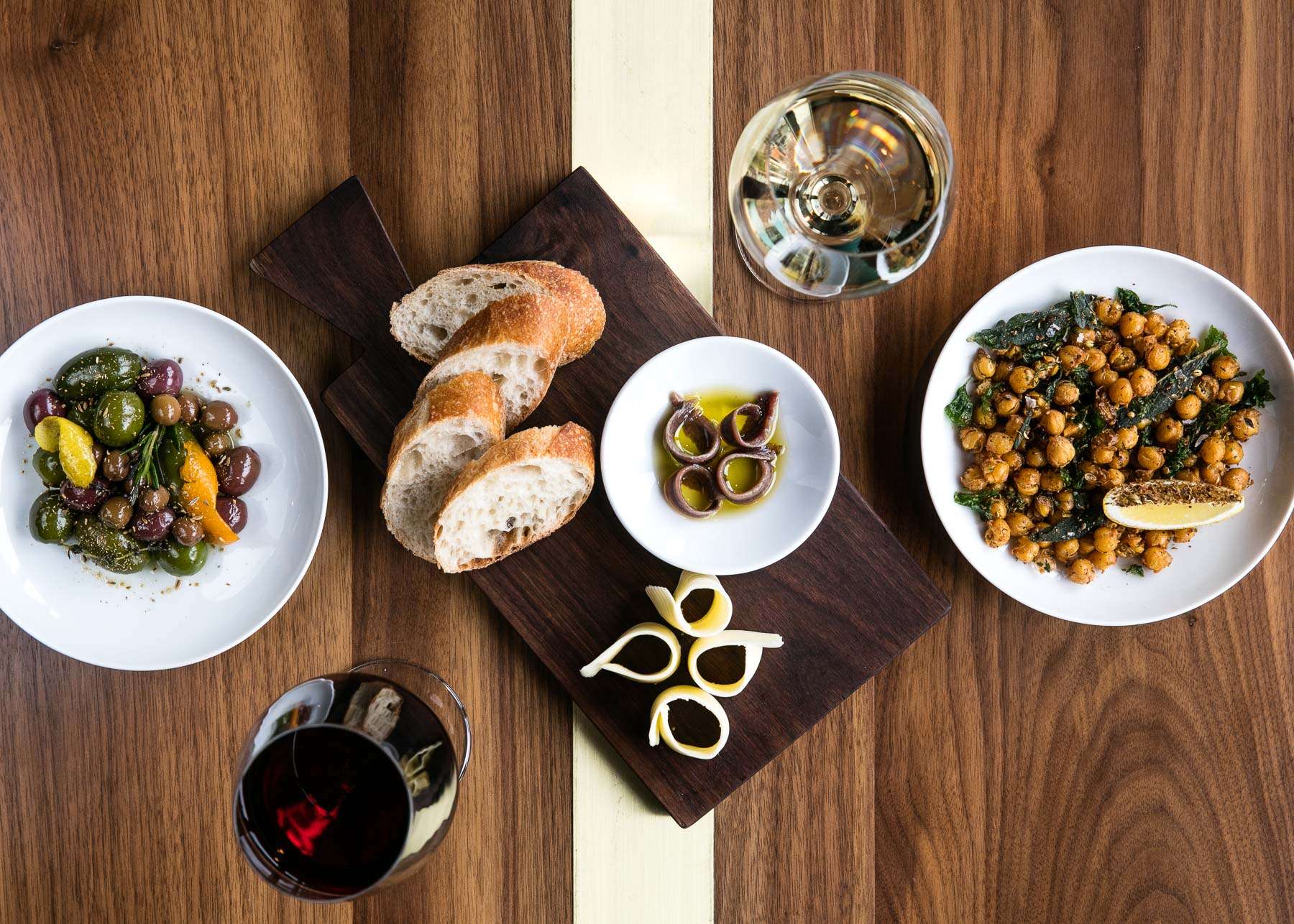
A restaurant with a distinctive material palette, a curated sound environment, and intentional scent design is harder to replicate than one that simply has good food and decent furniture. Multisensory coherence is what separates a space people remember from a space people forget.
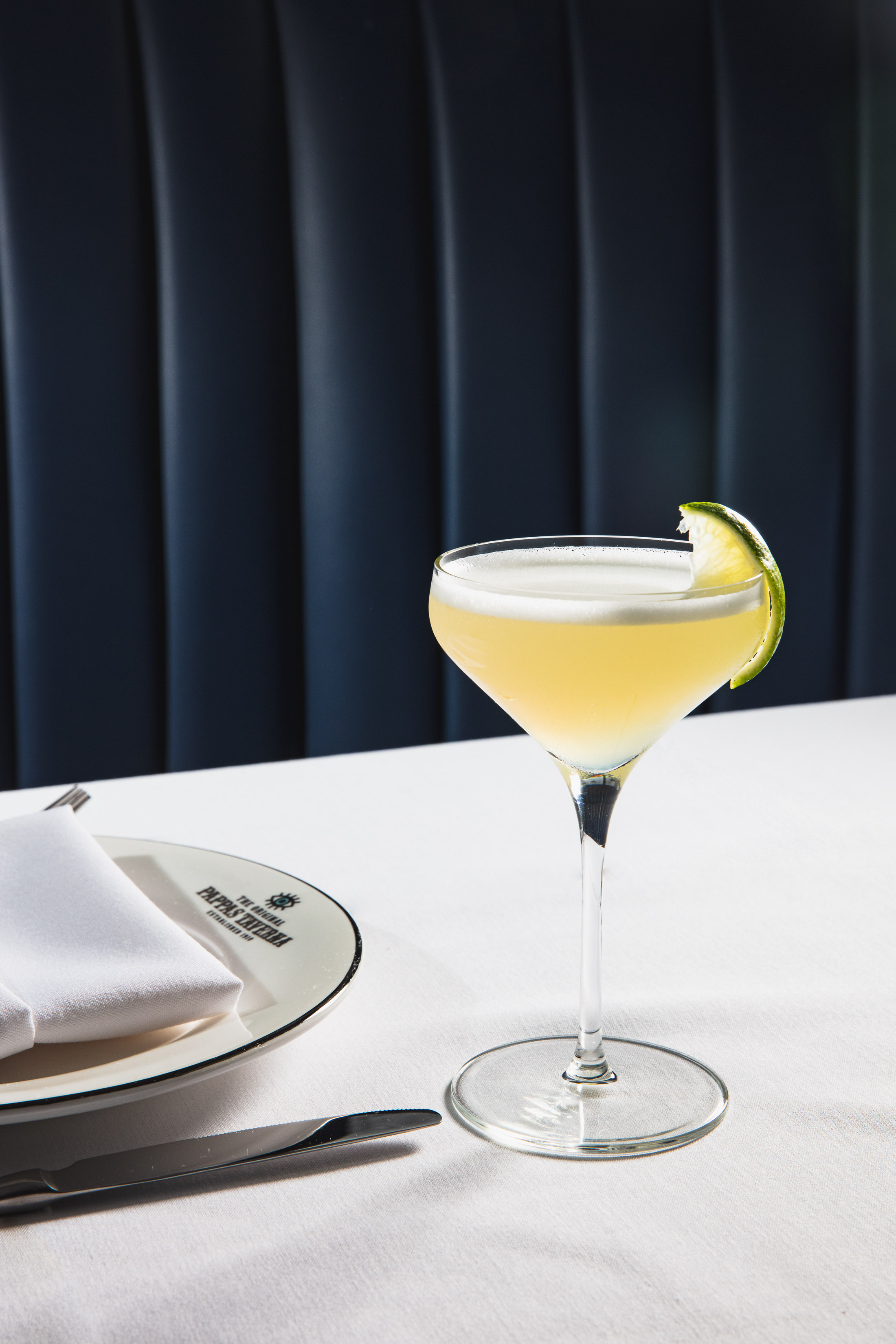
Plating and Visual Presentation
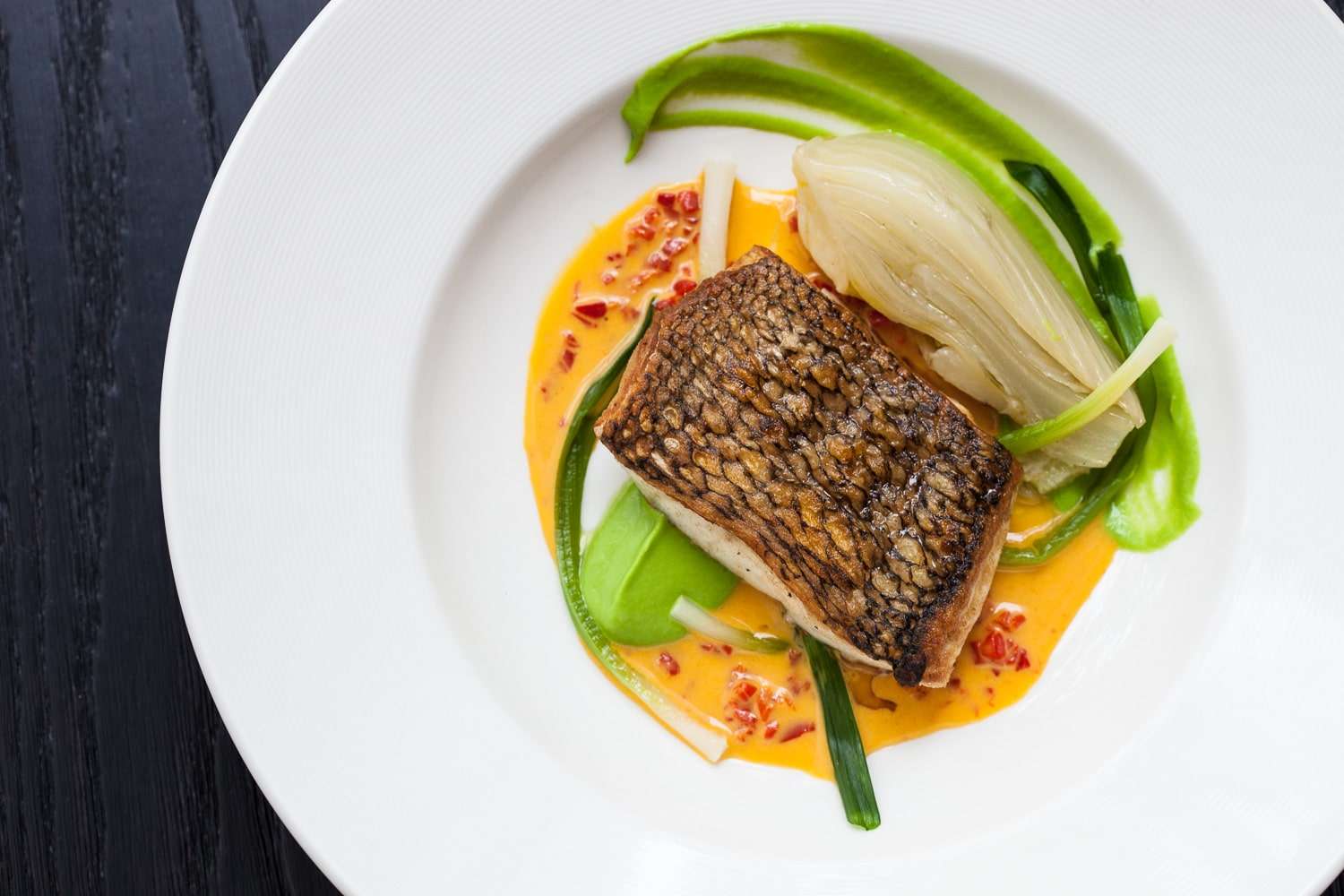
Plating is the bridge between kitchen and dining room. It is also the most photographed element of your restaurant, by both your team and your guests. The plating style should match the spatial design language. Minimalist, architectural plating in a rustic farmhouse setting creates a disconnect. Generous, family-style presentations in a sleek, modern dining room do the same.
This is where food photography becomes especially relevant. The way dishes are styled and shot for your website and social channels should reflect how they actually appear in the dining room. Not an idealized version. Not a stripped-down version. The real thing, presented with the same care and intention as the space around it.
The Visual Promise: What Guests See Before They Arrive
The pre-visit journey is almost entirely visual. Cropink's research paints a clear picture: the majority of diners check a restaurant's social media presence before visiting, and most say visuals heavily influence where they ultimately choose to eat. Your digital presence is not a reflection of your restaurant. For first-time guests, it is the restaurant, until they walk through the door.
Research published in Management Science went further, finding that consumer-posted photos on Yelp are a statistically significant predictor of restaurant survival across a study of more than 17,000 restaurants. The images associated with your brand, whether you created them or your guests did, are shaping business outcomes in ways that go well beyond marketing vanity metrics.
This creates a specific problem. When your website photography shows moody, dramatic cocktail shots but the actual bar is bright and casual, guests arrive with mismatched expectations. When your social media features heavily styled editorial images but the plating in service is simpler, guests feel a subtle disappointment they may not articulate but will remember. The visual promise must match the in-person delivery. Not because perfection is required, but because accuracy builds trust.
In our production work, we have seen that restaurants with photography budgets but no clear audience definition tend to produce beautiful images that do not convert. The images look professional but do not represent the actual experience. A visual refresh without audience clarity produces content that ages quickly and requires reshooting sooner than it should.
The Digital Pre-Visit Journey
Source: Cropink, 2025
Consistency Compounds: When Online and In-Person Match
When every touchpoint tells the same story, the financial impact is measurable. Lucidpress research found that brand consistency across channels can increase revenue by 10 to 33%. Hotels with well-regarded dining operations command significantly higher revenue per available room, according to JLL's 2025 analysis of hotel F&B performance. These are not isolated findings. They point to the same principle: coherence pays.
SevenRooms found that nearly three-quarters of diners say they are more likely to return after a unique or memorable dining experience. When the online experience, the physical space, and the food all deliver the same message, guests arrive with accurate expectations. Accurate expectations are easier to exceed.
But “strategic” is the key word. Posting frequently without a clear audience or visual identity does not produce the same effect. Deloitte Digital found that restaurants with strategic social media presence see meaningful B2C revenue increases. Strategy means every image, every caption, and every piece of content reinforces the same signal: this is who we are, this is who we are for.
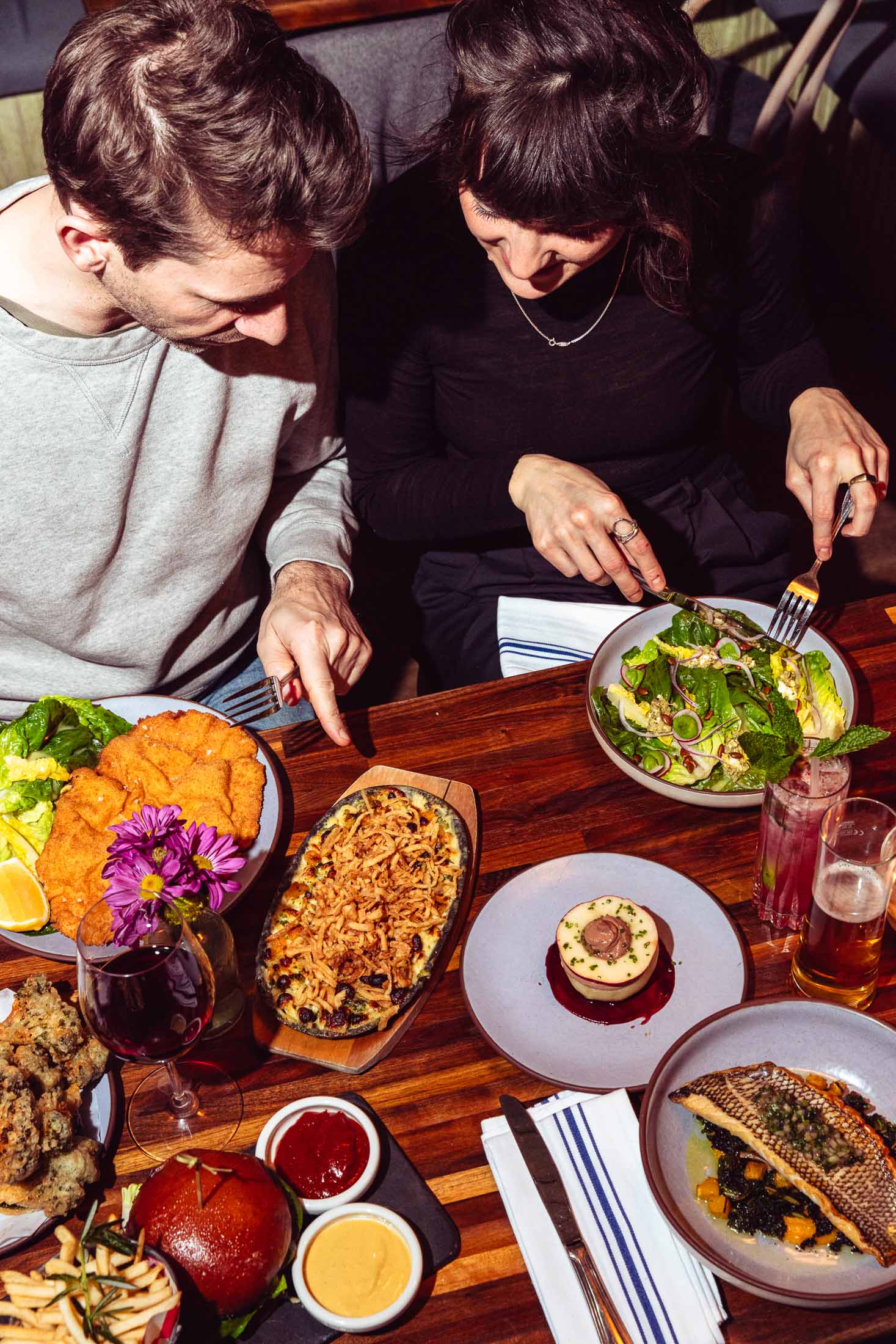
When all of these signals align, guests stop evaluating and start trusting. They recommend the space to friends who are similar to them. They return because the experience was what they expected, and slightly better. Consistency is not about rigidity. It is about reliability.
What Guests Will Pay a Premium For
Source: SevenRooms, 2025
How to Apply This to Your Next Visual Refresh
Alignment has to start somewhere. Here is a five-step process for connecting your visual content with your audience and space.
- 1
Define one guest profile clearly.
Write a single sentence describing your primary guest and their primary occasion. Not a demographic range. One person, one reason for being there. Everything else follows from this.
- 2
Audit your sensory signals.
Walk your space as a first-time guest. Note the music tempo, lighting warmth, decor materials, and plating style. Do they all point to the same person you described in step one?
- 3
Audit your visual content.
Look at your website, social media, and any print materials. Does the photography match what a guest actually experiences when they visit? Where are the gaps?
- 4
Plan the shoot around the audience.
When you brief a photographer, share the guest profile, not just the menu. The lighting, styling, and composition choices should reflect who you are serving and what they value.
- 5
Build for reuse.
A strong shoot produces hero images, supporting angles, negative space options for ads, and format variations for different platforms. Plan for this in advance so the investment extends across channels and months.
Frequently Asked Questions
How does music affect restaurant guest behavior?
+
Research shows slow-tempo music increases average dwell time by over 40% compared to fast-tempo music. Fast-tempo music can increase tips and variety-seeking behavior. The right choice depends on your business model: fine dining benefits from slower tempos that encourage longer stays and higher per-cover spend, while high-turnover casual concepts may benefit from faster tempos.
Why does restaurant photography matter for guest expectations?
+
The majority of diners use social media to decide where to eat, and most say visuals heavily influence that choice. Professional photography that accurately captures your atmosphere, lighting, and food presentation sets realistic expectations before guests arrive. When online visuals match the in-person experience, trust builds faster and satisfaction increases.
How do I know if my restaurant's design matches my target audience?
+
Walk through the space as a first-time guest. Ask whether the music tempo, lighting warmth, decor style, plating presentation, and visual content all point to the same person. If your fine dining room has a fast-tempo playlist and bright overhead lighting, the signals conflict. If your casual concept has dark, moody website photography that misrepresents the actual space, guests arrive confused.
Does restaurant ambiance really affect revenue?
+
Yes. Research consistently shows that ambiance has a positive effect on brand trust and loyalty. Hotels with well-regarded dining operations command significantly higher revenue per available room. And brand consistency across all touchpoints can lift revenue meaningfully. The exact numbers vary by study, but the direction is always the same: coherent environments outperform generic ones.
The best hospitality experiences feel effortless to guests. That feeling is not accidental. It comes from specific decisions about who the space is for and a commitment to making every signal, from the lighting to the website photography, tell the same story. The restaurants that get this right do not just attract guests. They attract the right guests, repeatedly.
The framework is straightforward. Define the guest. Audit the signals. Align the visuals. The scorecard gives you a structured way to start. And when you are ready to translate that clarity into actual visual content, the production process matters as much as the strategy.
See Where Your Space Stands
Take the free Guest Alignment Audit. Define your guest profile, score your sensory alignment, and get your tier result with specific next steps.
Take the Guest Alignment Audit